
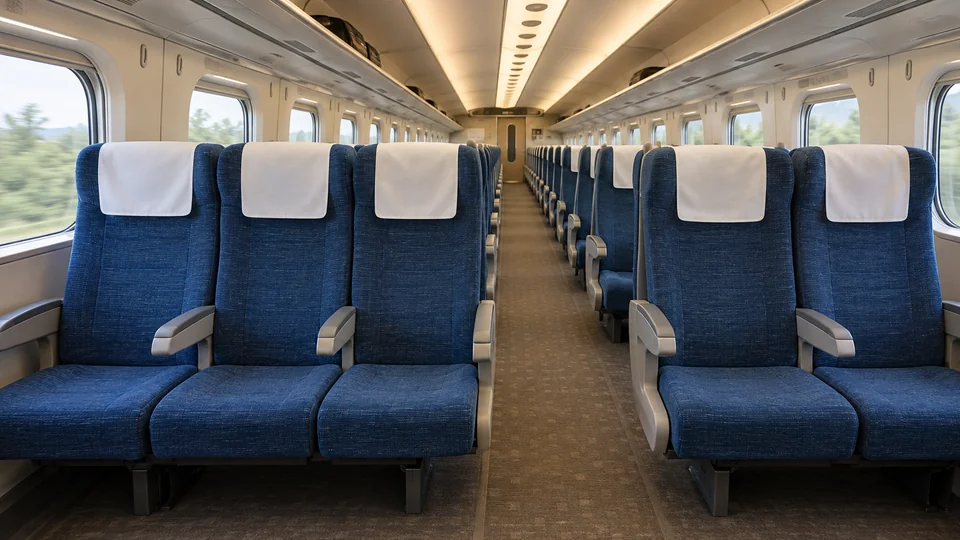
A Shinkansen ticket price normally combines the base rail fare and a Shinkansen limited-express charge. The total can vary with route, service, travel date, reservation type, cabin and booking channel. There is no single Japan-wide bullet train fare that works for every journey.
The two core parts of a Shinkansen fare
The base fare covers the railway journey between the applicable stations. The limited-express component covers use of the Shinkansen service and its reservation conditions. These may appear on separate documents, on one combined ticket or within a bundled digital product. Do not buy a second base fare merely because a booking screen uses unfamiliar terminology; confirm what is already included.
Reserved, non-reserved and premium seating
Ordinary reserved and non-reserved products can have different prices and travel conditions. Non-reserved tickets, where offered, do not assign a seat. A Green Car product carries premium charges; GranClass is available only on selected lines and services. A reservation-related difference may already be included in the limited-express price, so avoid adding the same charge twice when making your comparison. See seat classes explained.
Tokyo to Kyoto and Tokyo to Osaka comparisons
For a useful quote, specify Tokyo or Shinagawa as the departure point, Kyoto or Shin-Osaka as the arrival point, the date, service and passenger count. Compare the total for the same conditions rather than a remembered fare from a previous year. The Tokyo–Kyoto and Tokyo–Osaka pages provide the route context. Local travel between your hotel and the Shinkansen station may be separate.
Why two booking sites can show different totals
One result may be an unreserved ticket while another includes a reserved seat. Other differences include train type, discount eligibility, booking fees, exchange rates and the handling of child fares. Some products impose tighter change conditions in return for a lower price. Compare the final amount payable, the currency, the exact journey and the cancellation terms before deciding which offer suits you.
Compare a pass against journeys you will actually take
List eligible trips inside the pass validity period and total their current standalone fares. Then compare the pass price plus any exclusions or required supplements. Avoid adding optional day trips merely to make a pass seem worthwhile: they use time as well as money. Our JR Pass comparison gives a practical decision method without promising universal savings.
Keep the final quote with your order
Check the passenger total before payment and retain the confirmation. A general fare guide cannot guarantee inventory or a future price. If the fare changes during ordering, review the updated amount and conditions before proceeding. For an existing booking, obtain the applicable change or refund terms through the secure order rather than applying a generic railway fee found elsewhere.